Table of Contents >> Show >> Hide
Note: This article is for general educational purposes and is not a substitute for medical advice from your OB-GYN, midwife, or other qualified healthcare professional.
Welcome to 24 weeks pregnant, also known as the stage where your baby is getting stronger, your belly is making itself known in every doorway, and your socks may suddenly feel like tiny ankle tourniquets by dinner. You are about six months pregnant and deep into the second trimester, which is often called the “sweet spot” of pregnancy. That said, “sweet” can still include backaches, heartburn, midnight leg cramps, and an emotional attachment to the nearest pillow.
At 24 weeks, your baby is growing rapidly, movements may be more noticeable, and your body is adjusting to the very real business of making a tiny human. This is also a key point in prenatal care, because many people are screened for gestational diabetes between 24 and 28 weeks. In other words, week 24 is not just a milestone for cute bump photos. It is a practical, important checkpoint in pregnancy too.
If you are wondering what symptoms are normal, what deserves a call to your provider, and how to get through this week without treating your pregnancy pillow like a life partner, here is your complete guide.
What Happens at 24 Weeks Pregnant?
At 24 weeks pregnant, your baby is in a period of fast growth and steady development. Kicks and turns may feel stronger now, which can be exciting, weird, and occasionally timed with remarkable precision during meetings, sleep, or both. Your baby’s lungs are still developing, fat is forming under the skin, and reflexes and sensory development continue to improve.
You may also be more aware of your baby’s patterns. Some people notice movement after meals, when lying down, or after hearing certain sounds. The movements are not always predictable yet, but they often become more noticeable around this stage.
How Big Is Baby at 24 Weeks?
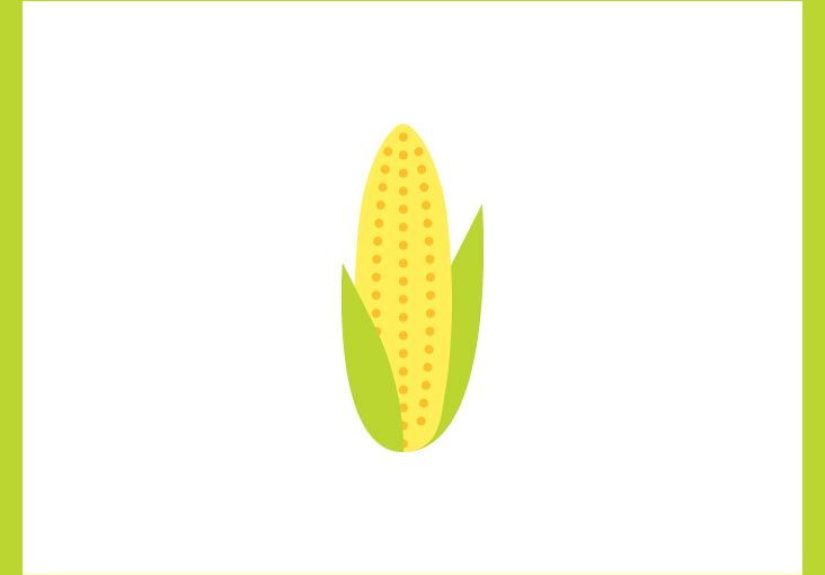
There is some normal variation, but at 24 weeks, baby is often described as being around the size of an ear of corn or a cantaloupe slice, depending on which fruit and vegetable comparison chart is currently winning the internet. The bigger point is this: baby is gaining weight, getting stronger, and becoming more responsive.
Is 24 Weeks a Big Milestone?
Yes. This week matters medically and emotionally. Around this point, babies born extremely early may survive with intensive neonatal care, though they still face serious risks because the lungs and other organs are not fully mature. That is why prenatal care, monitoring symptoms, and keeping up with appointments remain so important.
Common 24 Weeks Pregnant Symptoms
Every pregnancy is different, but many symptoms at 24 weeks are tied to your growing uterus, shifting hormones, increased blood volume, and extra physical strain. Some are annoying-but-ordinary. Others are your body’s way of saying, “Please stop pretending that bending over to pick up a sock is casual.”
1. Back Pain
Back pain is one of the most common second-trimester complaints. Your center of gravity changes as your belly grows, your ligaments loosen, and your muscles work overtime to support the extra weight. That can leave your lower back feeling like it signed up for a job it did not fully understand.
Supportive shoes, better posture, side sleeping, gentle exercise, and a pillow between your knees can all help. If back pain is severe, comes with fever, bleeding, or pain when you urinate, call your provider.
2. Swelling in the Feet and Ankles
Mild swelling can be common at 24 weeks, especially later in the day or after standing for long periods. Your body is carrying more fluid, and gravity is doing what gravity does best. Elevating your feet, changing positions often, staying hydrated, and avoiding long stretches of standing can help.
However, sudden or severe swelling, especially in the hands or face, should not be ignored. That can be a warning sign that needs medical attention.
3. Leg Cramps
Leg cramps often show up at night like an uninvited guest with terrible timing. These cramps are common in the second trimester and can be linked to circulation changes, muscle fatigue, and the general chaos of pregnancy biomechanics.
Stretching your calf muscles before bed, staying active, drinking enough fluids, and wearing comfortable shoes may help prevent them. If a cramp hits, stretching the calf, walking briefly, or applying warmth may bring relief.
4. Braxton Hicks Contractions
You may notice occasional tightening in your belly that comes and goes. These mild, irregular contractions are often called Braxton Hicks. They are usually more uncomfortable than painful and may show up after activity, later in the day, after sex, or when you are dehydrated.
Rest, fluids, and a change in position often help. If contractions become regular, painful, or do not ease up, call your provider to rule out preterm labor.
5. Heartburn and Constipation
Pregnancy hormones relax muscles, including the ones involved in digestion. Your growing uterus also puts pressure on your digestive system. The result can be heartburn, slower digestion, constipation, and sometimes hemorrhoids. Glamorous, no. Common, yes.
Eating smaller meals, staying upright after eating, getting enough fluids, and choosing fiber-rich foods may help. If constipation is making life miserable, ask your provider what is safe to use during pregnancy.
6. Trouble Sleeping
Sleep can get trickier around 24 weeks. A growing belly, back pain, leg cramps, heartburn, and frequent bathroom trips do not exactly create spa conditions. Sleeping on your side, especially with pillows for support, is usually the most comfortable choice as pregnancy progresses.
If you wake up on your back, do not panic. Just shift positions and settle back in. Pregnancy already includes enough drama without your pillow becoming a hall monitor.
7. Skin Changes and Itching
Stretch marks, a dark line down the belly called the linea nigra, and itchy skin can all show up around this time. Some itching is related to stretching skin and dryness. Moisturizer can help, especially after showering.
If itching becomes intense, especially on the hands or feet, or seems unusual, let your provider know. Pregnancy itching is not always just skin deep.
8. Dizziness or Feeling Off-Balance
Your blood vessels relax during pregnancy, and your growing bump can affect circulation and balance. Some dizziness can happen when standing up too fast, not eating enough, or getting overheated. Slow position changes, snacks, hydration, and avoiding long periods without food can help.
Severe dizziness, fainting, chest pain, trouble breathing, or symptoms that feel sudden or concerning deserve medical attention.
24 Weeks Pregnant Tips That Actually Help
Keep Moving
If your pregnancy is uncomplicated and your provider says exercise is okay, regular physical activity can be beneficial. Walking, swimming, and other pregnancy-friendly movement can help with mood, sleep, circulation, and muscle comfort. Think steady, not heroic. You are training for childbirth, not a surprise triathlon.
Hydrate Like It Is Your Side Job
Fluids matter more than ever. Good hydration can help with leg cramps, Braxton Hicks, constipation, and general energy. If plain water suddenly tastes like disappointment, try adding fruit, drinking sparkling water if your provider is okay with it, or rotating in broth and hydrating foods.
Use Pillows Strategically
At 24 weeks, a pillow between the knees, one under the belly, or one behind the back can make a real difference. This is not being dramatic. This is engineering.
Dress for Comfort, Not Bravery
Supportive shoes, stretchy waistbands, breathable fabrics, and a bra that actually fits can improve your day more than most inspirational quotes. Pregnancy is not the season for “maybe these jeans will loosen up.” They will not.
Eat in a Way That Supports Energy and Digestion
Balanced meals with protein, complex carbohydrates, fiber, and healthy fats can help you feel steadier throughout the day. Smaller meals may reduce heartburn. Keeping snacks nearby can also help with dizziness and energy dips.
Prepare for Your Prenatal Appointments
This is a good week to write down symptoms, questions, and anything that feels new. It is also a common window to discuss or complete gestational diabetes screening. Even if you feel fine, that screening matters because gestational diabetes can develop without obvious symptoms.
When to Call Your Doctor or Midwife
Some symptoms during pregnancy need prompt attention. Call your healthcare provider right away or seek urgent care if you have:
- Vaginal bleeding
- Fluid leaking from the vagina
- Severe belly pain that does not go away
- A severe headache that will not go away
- Changes in vision
- Fever of 100.4°F or higher
- Extreme swelling of the hands or face
- Trouble breathing, chest pain, or a fast-beating heart
- Dizziness or fainting that is severe or persistent
- Baby’s movement slowing down or stopping compared with what is normal for you
- Regular contractions or pressure that makes you worry about preterm labor
In pregnancy, “I do not want to overreact” is a very common thought. But when something feels off, checking in is not overreacting. It is good prenatal care.
Emotional Changes at 24 Weeks Pregnant
Not all symptoms are physical. Around 24 weeks, many people feel a mix of excitement, nesting energy, stress, and occasional emotional whiplash. You may feel more connected to the pregnancy now that the baby moves more. You may also feel overwhelmed by planning, body changes, or the realization that sleep is becoming a group project.
Try to make room for rest, support, and honesty. Talk with your partner, a trusted friend, or your provider if anxiety is building. Pregnancy is a major physical event, but it is also a mental and emotional transition. You do not need to white-knuckle your way through it.
A Simple Week 24 Checklist
- Keep prenatal appointments on schedule
- Ask about gestational diabetes screening if it is coming up
- Track any new symptoms or changes
- Stay hydrated and keep easy snacks nearby
- Stretch before bed if leg cramps are bothering you
- Use pillows and side sleeping to improve comfort
- Call your provider for warning signs, not just Google
What Real Life at 24 Weeks Pregnant Can Feel Like
By 24 weeks pregnant, many people say they finally look pregnant in a way that feels obvious to strangers, family members, cashiers, and that one aunt who suddenly thinks your belly is public property. You may be in a stage where your energy is better than it was earlier in pregnancy, but not exactly limitless. It is less “I am glowing” and more “I can function, but I would still like a nap and a snack.”
A typical day at 24 weeks might begin with feeling pretty decent, followed by a surprisingly specific complaint by lunchtime, such as your bra being rude, your lower back staging a protest, or your socks leaving marks that make your ankles look mildly offended. You may notice that your baby tends to move when you finally sit down, which is adorable until it happens right when you are trying to fall asleep.
Many pregnant people describe this week as a strange combination of wonder and logistics. On one hand, baby kicks can feel reassuring and exciting. On the other hand, you may suddenly care a lot about things like fiber intake, pillow architecture, and whether a restaurant chair has back support. Romance is not dead, but it may currently look like someone refilling your water bottle without being asked.
There can also be a new level of body awareness. You may move differently, get out of bed differently, sit differently, and discover that rolling over is no longer a casual activity but a full-body negotiation. Some people feel more confident in their pregnant body at this stage. Others feel awkward, swollen, or disconnected from how quickly things are changing. Both experiences are normal.
Emotionally, 24 weeks can bring a stronger sense that the baby is real and coming soon, even if “soon” is still a little while away. You might start imagining what your baby will look like, sound like, or be like. You may also think about labor, your birth plan, childcare, work leave, or whether you have already made 47 online shopping decisions that could have waited.
For many families, this is also a planning phase. Maybe you are discussing names. Maybe you are organizing baby clothes. Maybe you are simply trying to decide whether the nursery needs a theme or just a functional place for diapers to exist. There is no one right way to feel at 24 weeks. Some people are deeply sentimental. Some are practical. Some cry because the grocery store was out of their favorite yogurt. Pregnancy contains multitudes.
Socially, people may start checking in more often. Sometimes that feels sweet. Sometimes it feels like you have become customer support for your uterus. Questions about how you feel, whether the baby is kicking, and whether you are sleeping well may come from a good place, even when the answer is, “I am tired, but thanks for your enthusiasm.”
The best real-life advice for this stage is to stop expecting yourself to do pregnancy perfectly. You do not need to love every minute. You do not need to enjoy heartburn as a spiritual lesson. You do not need to compare your symptoms, bump size, or energy level with anyone else’s. What matters most is staying in touch with your provider, paying attention to your body, and making life a little easier wherever you can.
At 24 weeks, pregnancy often feels undeniably real, occasionally hilarious, and sometimes physically absurd. But it can also be a meaningful season of growing confidence. You are learning your body’s signals, your baby’s rhythms, and your own version of what support looks like. That counts for a lot.
Conclusion
At 24 weeks pregnant, your baby is growing fast, your symptoms may be getting more noticeable, and your prenatal care becomes even more important. Mild swelling, back pain, sleep trouble, leg cramps, and heartburn can all be part of the week-24 experience. So can stronger movement, more visible body changes, and a growing sense that this pregnancy is moving from abstract to very, very real.
The key is knowing what is common, what is helpful, and what should never be brushed off. Stay hydrated, keep moving if your provider approves, support your body with good sleep positions and smart daily habits, and do not hesitate to call your provider if symptoms feel severe or unusual. Pregnancy may not always be glamorous, but good information can make it feel a lot more manageable.