Table of Contents >> Show >> Hide
- What Makes a Great BBQ Rub?
- How to Use BBQ Rubs Without Overthinking It
- 13 Easy BBQ Rub Recipes
- 1) Classic All-Purpose Backyard BBQ Rub
- 2) Kansas City Sweet & Smoky Rib Rub
- 3) Texas-Style Pepper Beef Rub
- 4) Memphis-Inspired Dry Rib Rub
- 5) Brown Sugar Chipotle Chicken Rub
- 6) Carolina Mustard-Herb Pork Rub
- 7) Coffee-Cocoa Brisket Rub
- 8) Garlic-Herb Steak Rub
- 9) Sweet Heat Pork Chop Rub
- 10) Southwest Ancho-Lime Rub
- 11) Maple Paprika BBQ Rub
- 12) Cajun BBQ Rub
- 13) No-Fuss Weeknight BBQ Rub
- Storage Tips for Homemade BBQ Rubs
- BBQ Rub Mistakes to Avoid
- Quick Food Safety Notes for Grilling Meat
- Conclusion
- Experience-Based Notes: What Usually Happens When Home Cooks Start Making BBQ Rubs (and What They Learn)
Let’s be honest: not every backyard cookout needs a 14-hour smoke session, a custom firebox, and a playlist called Brisket Emotions. Sometimes you just want great flavor, juicy meat, and enough free time to actually sit down with your guests. That’s where BBQ rubs come in.
A good dry rub is the fastest shortcut to “Wow, what did you put on this?” It adds color, aroma, a flavorful crust, and personality to meat with almost no effortjust mix, sprinkle, press, cook. Done. No blender. No obscure ingredients. No culinary degree required.
In this guide, you’ll get 13 easy BBQ rub recipes for beef, pork, chicken, and more, plus practical tips on how to apply rubs, when to use sugar, how to avoid common mistakes, and how to keep your cookout safe. These blends are inspired by classic American BBQ flavor profiles and real-world grilling techniques, but written fresh in a fun, easy-to-follow style for busy home cooks.
What Makes a Great BBQ Rub?
Most great BBQ rubs use a simple flavor framework:
- Salt for seasoning and balance
- Sweetness (often brown sugar) for caramelized flavor and color
- Paprika/chile powders for color, warmth, and smoke vibes
- Garlic + onion powder for savory backbone
- Black pepper for bite and depth
- Optional extras like cumin, coriander, mustard, herbs, coffee, citrus zest, or cayenne
The trick is matching the rub to the meat. Pork often loves a sweeter rub. Beef usually likes a more pepper-forward, less sugary profileespecially for high-heat grilling. Chicken can go either way depending on whether you’re aiming for sweet-smoky, spicy, or herbaceous.
How to Use BBQ Rubs Without Overthinking It
Quick Method (Weeknight Approved)
- Pat the meat dry with paper towels.
- Lightly oil or mustard-coat the surface (optional binder).
- Sprinkle rub evenly on all sides.
- Press gently so it sticks.
- Cook immediately or let it sit 15–30 minutes.
How much rub? Start with about 1 tablespoon per pound for smaller cuts (chicken breasts, pork chops, steaks) and scale up for ribs, roasts, or brisket. You want coveragenot a spice snowdrift.
Pro Tip on Sugar and Heat
High-sugar rubs are delicious, but they darken quickly over high direct heat. For steaks cooked hot and fast, use a lower-sugar rub. For ribs, pork shoulder, and slower cooks, sweeter rubs really shine.
13 Easy BBQ Rub Recipes
Each recipe makes roughly 1/3 to 1/2 cup (enough for 2–4 pounds of meat, depending on the cut).
1) Classic All-Purpose Backyard BBQ Rub
Best for: Chicken, pork chops, ribs, burgers
- 2 tbsp brown sugar
- 2 tbsp paprika
- 1 tbsp kosher salt
- 2 tsp black pepper
- 2 tsp garlic powder
- 2 tsp onion powder
- 1 tsp chili powder
- 1/4 tsp cayenne (optional)
This is your “I need dinner to taste like I planned ahead” rub. Balanced, friendly, and works on almost anything.
2) Kansas City Sweet & Smoky Rib Rub
Best for: Pork ribs, pork shoulder, pork tenderloin
- 3 tbsp brown sugar
- 1 tbsp paprika
- 1 tbsp smoked paprika
- 1 tbsp kosher salt
- 2 tsp black pepper
- 2 tsp garlic powder
- 2 tsp onion powder
- 1 tsp dry mustard
- 1/2 tsp cayenne
Sweet, smoky, and crowd-pleasing. If your family likes “sticky ribs” and loud compliments, start here.
3) Texas-Style Pepper Beef Rub
Best for: Brisket, beef ribs, tri-tip, steaks
- 2 tbsp coarse black pepper
- 1 tbsp kosher salt
- 2 tsp granulated garlic
- 2 tsp onion powder
- 1 tsp paprika
- 1 tsp ancho chili powder
- 1/2 tsp mustard powder
- 1/2 tsp brown sugar (optional, or skip for high heat)
Bold and beefy, with pepper leading the parade. Use little to no sugar if you’re searing hot and fast.
4) Memphis-Inspired Dry Rib Rub
Best for: Dry ribs, pork shoulder, chicken thighs
- 2 tbsp paprika
- 1 tbsp brown sugar
- 1 tbsp kosher salt
- 2 tsp black pepper
- 2 tsp garlic powder
- 2 tsp onion powder
- 1 tsp celery salt
- 1 tsp chili powder
- 1/2 tsp cayenne
Savory-forward with enough sweetness to keep things interesting. Great for people who want flavor without a sugar rush.
5) Brown Sugar Chipotle Chicken Rub
Best for: Chicken wings, drumsticks, thighs, turkey cutlets
- 2 tbsp brown sugar
- 1 tbsp smoked paprika
- 1 tbsp kosher salt
- 2 tsp chipotle powder (or 1 tsp chipotle + 1 tsp chili powder)
- 2 tsp garlic powder
- 1 tsp onion powder
- 1 tsp black pepper
- 1/2 tsp cumin
Sweet at first bite, smoky in the middle, and a little kick at the end. Basically a party in powdered form.
6) Carolina Mustard-Herb Pork Rub
Best for: Pork chops, pork loin, grilled chicken
- 1 tbsp dry mustard
- 1 tbsp brown sugar
- 1 tbsp kosher salt
- 2 tsp paprika
- 2 tsp black pepper
- 2 tsp garlic powder
- 1 tsp onion powder
- 1 tsp dried thyme
- 1/2 tsp dried oregano
This one has a tangy, herb-forward backbone that makes simple pork chops taste much more expensive than they are.
7) Coffee-Cocoa Brisket Rub
Best for: Brisket, chuck roast, beef ribs
- 1 tbsp finely ground coffee
- 1 tbsp unsweetened cocoa powder
- 1 tbsp coarse black pepper
- 1 tbsp kosher salt
- 2 tsp smoked paprika
- 2 tsp garlic powder
- 1 tsp onion powder
- 1 tsp brown sugar
- 1/2 tsp cayenne (optional)
Don’t worryit won’t taste like a mocha brisket. Coffee and cocoa add depth, bitterness, and dark crust notes that pair beautifully with beef.
8) Garlic-Herb Steak Rub
Best for: Strip steak, ribeye, sirloin, lamb chops
- 1 tbsp kosher salt
- 1 tbsp coarse black pepper
- 2 tsp granulated garlic
- 1 tsp onion powder
- 1 tsp dried rosemary (crushed)
- 1 tsp dried thyme
- 1 tsp paprika
- 1/2 tsp mustard powder
Steakhouse energy, minimal effort. Excellent when you want savory flavor without sweetness.
9) Sweet Heat Pork Chop Rub
Best for: Pork chops, country-style ribs, tenderloin
- 2 tbsp brown sugar
- 1 tbsp paprika
- 1 tbsp kosher salt
- 2 tsp black pepper
- 2 tsp garlic powder
- 1 tsp onion powder
- 1 tsp ground ginger
- 1/2 tsp cayenne
- 1/2 tsp cinnamon
A little sweet, a little spicy, a little warm spice magic. This one makes basic pork chops feel like a plan.
10) Southwest Ancho-Lime Rub
Best for: Flank steak, chicken thighs, skirt steak
- 1 tbsp ancho chili powder
- 1 tbsp paprika
- 1 tbsp kosher salt
- 2 tsp cumin
- 2 tsp black pepper
- 2 tsp garlic powder
- 1 tsp onion powder
- 1 tsp dried lime zest powder (or 1/2 tsp citric acid + extra paprika)
- 1/2 tsp oregano
Earthy, bold, and taco-night adjacent in the best possible way. Great for sliced grilled meats and rice bowls.
11) Maple Paprika BBQ Rub
Best for: Chicken thighs, pork loin, ribs
- 2 tbsp maple sugar (or light brown sugar)
- 1 tbsp smoked paprika
- 1 tbsp kosher salt
- 2 tsp black pepper
- 2 tsp garlic powder
- 1 tsp onion powder
- 1 tsp dry mustard
- 1/2 tsp cinnamon
This rub brings cozy campfire energy. Pair it with applewood smoke if you want your neighbors to suddenly “just be in the area.”
12) Cajun BBQ Rub
Best for: Chicken, pork tenderloin, turkey breast
- 1 tbsp paprika
- 1 tbsp kosher salt
- 2 tsp black pepper
- 2 tsp garlic powder
- 2 tsp onion powder
- 1 tsp dried thyme
- 1 tsp dried oregano
- 1 tsp cayenne (adjust to taste)
- 1/2 tsp white pepper
Herby, peppery, and assertive. Perfect for cooks who believe “mild” is a suggestion.
13) No-Fuss Weeknight BBQ Rub
Best for: Anything in your fridge that needs help by 6:30 p.m.
- 1 tbsp brown sugar
- 1 tbsp paprika
- 1 tsp kosher salt
- 1 tsp black pepper
- 1 tsp garlic powder
- 1 tsp onion powder
- 1/2 tsp chili powder
If you can measure a tablespoon and locate a bowl, you can make this. It’s the emergency cape of your spice cabinet.
Storage Tips for Homemade BBQ Rubs
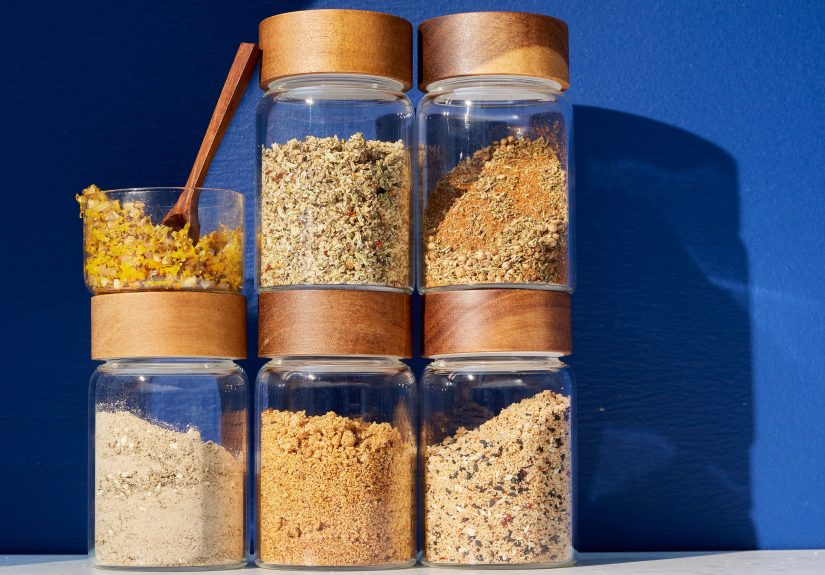
- Store in an airtight jar or shaker.
- Label the name and date (future you will be grateful).
- Keep away from heat, light, and steam.
- For best flavor, use within 4–6 months. If it smells flat, it is flat.
- Never dip a “raw meat hand” back into the master rub containerportion out what you need first.
BBQ Rub Mistakes to Avoid
1) Using too much salt on thin cuts
Thin chicken cutlets and skirt steak don’t need the same intensity as a pork shoulder. Go lighter and taste the result before doubling down next time.
2) Burning sugary rubs over blazing direct heat
Sweet rubs and high flames can turn from caramelized to charred pretty fast. Use indirect heat, lower heat, or less sugar for hot-and-fast cooks.
3) Applying rub to wet meat
Water is the enemy of adhesion. Pat the meat dry first so your rub sticks instead of sliding off like a bad decision.
4) Expecting rub to replace cooking technique
A fantastic rub can’t save overcooked chicken. Flavor matters, but so does temperature control. Use a meat thermometer and pull meat at the right time.
Quick Food Safety Notes for Grilling Meat
Flavor is great. Food poisoning is not. A few fast reminders:
- Use separate plates/utensils for raw and cooked meat.
- Don’t wash raw meat in the sink (it spreads bacteria).
- Keep raw meat wrapped and separate in coolers.
- Cook to safe internal temperatures:
- Beef/pork/lamb steaks, chops, roasts: 145°F + 3-minute rest
- Ground meats: 160°F
- Poultry: 165°F
- Refrigerate leftovers within 2 hours (or 1 hour if it’s above 90°F outside).
Conclusion
You do not need a garage full of smokers, a competition trailer, or a secret handshake to make incredible BBQ at home. You need a few pantry spices, a simple rub formula, and the confidence to season your meat like you mean it.
These 13 BBQ rub recipes are designed to help you cook smarter, not harder. Pick one based on your protein, your mood, and your spice tolerance. Start with the all-purpose blend if you’re new, go pepper-heavy for beef, lean sweeter for pork, and don’t be afraid to tweak the heat level. That’s the beauty of homemade rubs: big flavor, little effort, and no one can stop you from adding extra garlic.
Experience-Based Notes: What Usually Happens When Home Cooks Start Making BBQ Rubs (and What They Learn)
One of the most common experiences people have with homemade BBQ rubs is surprisemostly because they expect the difference to be subtle, and it usually isn’t. A plain chicken thigh that tasted “fine” last week suddenly tastes smoky, savory, and deeply seasoned with almost the same cook time. That first side-by-side comparison is often the moment a home cook realizes rubs are not just decoration. They’re a strategy.
Another common experience: the “I used way too much sugar” lesson. It happens fast. A cook throws a sweet rub on thin pork chops, cranks the grill, and gets a beautiful color for about 45 seconds before things get very dark, very quickly. The good news is that this mistake teaches an important principle: match the rub to the heat. After that, many cooks naturally begin using sweeter rubs for low-and-slow meats and pepperier rubs for steaks and burgers. In other words, they accidentally become smarter pitmasters.
There’s also the classic “I thought mustard would make it taste like mustard” concern. Then they try it as a binder on ribs and realize the mustard flavor mostly disappears during cooking, leaving behind better adhesion and a more even crust. This is the kind of kitchen myth-busting that makes grilling more fun. You stop following random rules and start understanding what actually works.
Families often notice something else: homemade rubs make it easier to customize meals without cooking separate dishes. One batch of chicken can be split into mild, spicy, and sweet portions before it hits the grill. Kids get the no-cayenne version. The spice lovers get the chipotle blend. Everyone eats the same protein, and the cook keeps their sanity. That flexibility is a huge reason rubs become a permanent part of the weeknight routine.
Many backyard cooks also discover that the best rubs are not necessarily the most complicated. In fact, some of the most repeated “house rubs” are built from five to seven ingredients. Why? Because they’re easy to memorize, easy to scale, and easy to remix. Once someone gets comfortable with a base like salt + pepper + paprika + garlic + onion + a little sugar, they can riff endlessly. Add cumin for Southwestern flavor. Add thyme for a more herb-forward profile. Add coffee for beef. Suddenly, the spice cabinet feels less like clutter and more like a toolkit.
And then there’s the storage lesson. Almost everyone has made a giant batch of rub, tucked it away proudly, and rediscovered it months later as a faded jar of scented dust. That experience usually leads to labeling jars, making smaller batches, and keeping blends fresher. It’s not glamorous, but it’s real. Good BBQ isn’t just about recipesit’s also about habits.
In short, the experience of using BBQ rubs tends to follow a great pattern: one easy success, one slightly charred mistake, one “aha” moment, and then a lot of very happy dinners. If this article helps you skip the mistake and get to the happy dinners faster, then your grill (and your future leftovers) are in excellent shape.