Table of Contents >> Show >> Hide
- How to Choose the Right Broom (in 60 Seconds)
- The 12 Broom Types (and Exactly What Each Does Best)
- 1) Angle Broom (Upright)
- 2) Corn Broom (Natural Straw/Broomcorn)
- 3) Push Broom (Soft Border + Stiff Center)
- 4) Heavy-Duty Unflagged Push Broom
- 5) Rubber Broom (with Squeegee Edge)
- 6) Whisk/Hand Broom
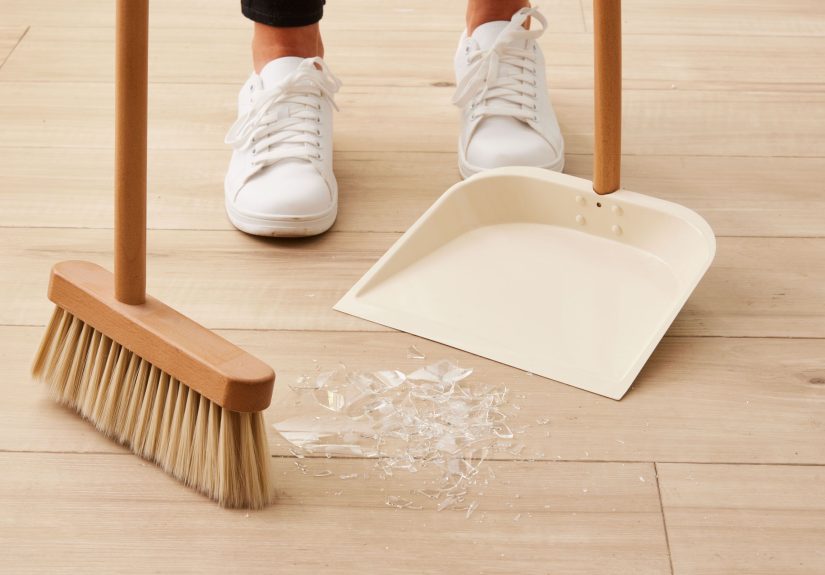
- 7) Lobby Broom + Long-Handle Dustpan Set
- 8) Cobweb/Corner Duster (Domed)
- 9) Fine-Dust “Soft Sweep” Broom (Horsehair/Synthetic Blend)
- 10) Outdoor/Street Broom
- 11) Carpet Broom / Carpet Rake
- 12) Water Broom (Hose/Pressure-Washer Attachment)
- Quick Buyer’s Guide: Bristles, Widths, and Handles
- Technique: Sweep Smarter, Not Harder
- Maintenance That Extends Broom Life
- What to Use Where (Cheat Sheet)
- Conclusion
- Real-World Experiences & Tips (Bonus ~)
Confession: there isn’t “one broom to rule them all.” That’s why your trusty kitchen broom crushes crumbs but cries on the driveway. Different messes and floors need different bristles, shapes, and widths. Use this guide to match the broom to the job, and you’ll sweep faster, kick up less dust, and save your back (and your dignity) in the process.
How to Choose the Right Broom (in 60 Seconds)
- Floor type: Smooth indoor floors love flagged (split-tip) synthetic bristles; rough outdoor surfaces want unflagged, stiffer bristles.
- Debris size: Fine dust → soft/flagged; gravel/leaves/chips → stiff/unflagged.
- Area size: Small rooms → upright/angle brooms; garages & patios → wide push brooms (18–24 inches).
- Special jobs: Pet hair → rubber broom; ceilings → cobweb duster; carpet nap → carpet broom/rake; driveways → water broom.
- Comfort: Look for a handle that reaches your nose/chin height; telescoping handles help multiple users.
The 12 Broom Types (and Exactly What Each Does Best)
1) Angle Broom (Upright)
Best for: Daily sweeping on hardwood, tile, vinyl; corners, toe kicks, and along baseboards.
Why it works: The angled cut funnels debris toward the center; flagged tips grab dust so it doesn’t just “whoosh” into the air. Great with a step-on dustpan for one-handed cleanups.
Skip it when: You’re tackling a garage full of grituse a push broom instead.
Pro tip: Use short, overlapping strokes along edges, then pull debris into the room to finish.
2) Corn Broom (Natural Straw/Broomcorn)
Best for: Quick indoor/outdoor sweeps; textured thresholds; porch steps.
Why it works: Sturdy natural stalks have bite on uneven surfaces and stand up well to heavier debris.
Skip it when: You need to corral superfine dust on smooth floorssynthetic flagged bristles will leave less residue.
Pro tip: Hang it between uses; don’t leave the head resting on the floor or it will deform.
3) Push Broom (Soft Border + Stiff Center)
Best for: Garages, basements, workshops, patiosany large area.
Why it works: The wide head covers ground fast. Many “multi-surface” models mix soft, flagged outer rows (for fine dust) with firm, unflagged inner rows (for heavier grit), so you can move sawdust and sand in one pass.
Skip it when: Space is tight; angle brooms navigate better around furniture.
Pro tip: Push with your core, not your arms. For heavy debris, slightly tip the broom so the stiffer center rows lead.
4) Heavy-Duty Unflagged Push Broom
Best for: Driveways, sidewalks, rough concrete, construction cleanup.
Why it works: Straight, unflagged bristles don’t fray and plow through gravel, leaves, and wet muck without clogging.
Skip it when: You need to pick up flour-fine dust; it will streak and leave residue.
Pro tip: Choose 18–24 inches for control; go wider only if you have the wrist strength and open space.
5) Rubber Broom (with Squeegee Edge)
Best for: Pet hair on carpet and hard floors; salon clippings; damp entry mats.
Why it works: Rubber bristles build friction and static that pull hair into clumps; flip to the squeegee to pull liquids, mud, or soapy rinse water.
Skip it when: You’re sweeping large, gritty debris outdoorsuse a stiff push broom.
Pro tip: On carpet, use slow pull strokes to rake hair up; rinse the rubber under warm water to “reset” performance.
6) Whisk/Hand Broom
Best for: Table crumbs, car seats, stairs, window tracks, shop benches.
Why it works: Short, dense bristles and a compact head give precision control in tight spots.
Skip it when: You’re standingyour back will hate you; switch to a lobby set.
Pro tip: Keep one in the trunk with a small dustpan for on-the-go sand and snack disasters.
7) Lobby Broom + Long-Handle Dustpan Set
Best for: “Stand-up” sweeping in kitchens, cafés, and entryways; quick touch-ups without bending.
Why it works: The upright pan traps debris and hair; many sets pair an angle broom with flagged tips for fine pickup.
Skip it when: You need to muscle heavy debrisuse a push broom and shovel instead.
Pro tip: Choose a dustpan with a molded “comb” to strip hair from the broom as you work.
8) Cobweb/Corner Duster (Domed)
Best for: High corners, beams, ceiling vents, and crown molding.
Why it works: The soft, domed head wraps into corners and clings to webs without scratching paint.
Skip it when: You’re sweeping floorsthis one is for overheads only.
Pro tip: Pair with a telescoping pole and spin gently so webs twist onto the fibers.
9) Fine-Dust “Soft Sweep” Broom (Horsehair/Synthetic Blend)
Best for: Smooth wood or tile where dust film is your nemesis.
Why it works: Super-soft flagged or natural/horsehair-blend fibers act like a dust mop with a handle, gliding without scratching.
Skip it when: There’s grit, bolts, or pebblesthese delicate fibers will fold.
Pro tip: Use on finished hardwood before mopping to prevent “muddying” fine dust.
10) Outdoor/Street Broom
Best for: Sidewalks, brick pavers, workshop thresholds.
Why it works: Extra-stiff, weather-resistant fibers (often polypropylene or natural stiff fiber) hold shape against rough, snaggy surfaces.
Skip it when: You need finesse on delicate floorssave it for the great outdoors.
Pro tip: Rinse it after de-icing salt or mud to preserve the bristle set.
11) Carpet Broom / Carpet Rake
Best for: Lifting crushed carpet nap; raking out embedded hair and sand before vacuuming.
Why it works: Stiffer tines (often rubber or silicone) pull from below the pile where vacuums miss; also revives entry mats.
Skip it when: You’re on delicate silk/wool rugstest in a corner first.
Pro tip: Rake before vacuuming a shedding or pet area to boost pickup.
12) Water Broom (Hose/Pressure-Washer Attachment)
Best for: Hosing down driveways, decks, and large patios quickly.
Why it works: Multiple jets spray a uniform fan while wheels keep a consistent standoff, blasting grime faster than a handheld nozzle.
Skip it when: You’re indoors (please), or on softwood with questionable sealing.
Pro tip: Sweep loose debris first, then water-broom for the deep clean.
Quick Buyer’s Guide: Bristles, Widths, and Handles
Bristles 101
- Flagged (split tips): Best on smooth floors and fine dust; think indoor angle brooms and soft “fine sweep” push brooms.
- Unflagged (straight tips): Stiffer, more durable, and better for bigger debris and damp conditions (garages, sidewalks).
- Rubber/Silicone: Static-friendly for hair and lint; rinses clean in seconds.
- Natural (corn/plant fibers): Great bite on textured surfaces; don’t soak long and hang to dry.
Width & Shape
- Upright/Angle: 10–13 inches is agile in kitchens and hallways.
- Push: 18–24 inches hits the sweet spot for control vs. coverage in most garages and patios.
- Domed dusters: Size for your ceiling height; telescoping poles are worth it.
Handle & Ergonomics
- Length: Aim for nose to chin height; longer handles reduce stooping.
- Material: Wood feels warm and solid; aluminum or fiberglass is lighter and resists moisture.
- Comfort: Look for non-slip grips; a hanging hole beats leaning a broom on the fridge (we’ve all done it).
Technique: Sweep Smarter, Not Harder
- Stage the room: Move chairs and stools; start along edges/baseboards.
- Work in lanes: Short, overlapping strokes toward the room center. Keep the head flat on the floortilting lifts bristles and loses dust.
- Control dust: Use flagged bristles for superfine debris; for hair, switch to a rubber broom or finish with a damp microfiber dust mop.
- Mind the grout: For crumb-caught grout lines, use a stiffer, angled broom and pull diagonally across the lines.
- Finish strong: Consolidate into a small pile and pan it. If your pan leaves a “crumb crescent,” step on a built-in lip or tape a thin rubber strip to the pan edge.
Maintenance That Extends Broom Life
- Hang it or store head-up: Don’t park bristles on the floorthis permanently bends them.
- Clean the head monthly: Comb out hair, then swish in warm soapy water; rinse and dry head-up. Rubber heads just rinse.
- Don’t over-soak natural fibers: Quick wash, thorough dry to prevent swelling or mildew.
- Label by zone: One broom for kitchens, another for garages to avoid cross-contamination.
What to Use Where (Cheat Sheet)
| Surface | Best Broom | Why |
|---|---|---|
| Hardwood, luxury vinyl, tile | Angle broom with flagged bristles | Split tips grab fine dust without scratching. |
| Kitchen with pets | Rubber broom + dustpan | Clumps hair; easy to rinse clean. |
| Garage/basement | Multi-surface push broom | Soft outer rows for dust, stiff center for grit. |
| Driveways/sidewalks | Unflagged, heavy-duty push broom | Handles pebbles, leaves, and wet debris. |
| High corners & vents | Cobweb/Corner duster | Domed fibers trap webs without scratching. |
| Carpet & entry mats | Rubber carpet broom/rake | Rakes up embedded hair and sand. |
| Large outdoor slabs | Water broom | Fast, even rinse on decks and patios. |
Conclusion
Pick the broom that matches your floor and your mess, and suddenly sweeping feels less like punishment and more like a three-minute victory lap. Angle brooms make quick work of daily dust; push brooms own the garage; rubber heads end the pet-hair wars; lobby sets save your back; and water brooms turn patio cleanup from a chore into a flex.
sapo: Choosing the right broom makes cleaning faster and easier. This in-depth guide explains 12 broom typesfrom angle and push brooms to rubber, lobby, cobweb, carpet, and water broomsplus bristle types, widths, and pro techniques so you capture more dust in fewer passes. Finish with a quick cheat sheet and real-world tips to sweep smarter on any surface.
Real-World Experiences & Tips (Bonus ~)
1) The pet-hair standoff: In homes with heavy shedders, a standard kitchen broom often just redistributes fur. Switching to a rubber broom changes the physicshair clumps instead of flying. The trick is slow, deliberate pull strokes on carpet (like raking leaves) and short, choppy strokes on hard floors. Rinse the head mid-room if hair starts to smear.
2) The “shop grit” shuffle: In garages, a soft broom leaves a film that your shoes track inside. A hybrid push broom with stiff center rows powers through the grit, while the softer outer rows corral the fines. If you’re moving more than a coffee mug of debris, sweep into “windrows” (long piles) every 6–8 feet so you’re not pushing the entire garage at once.
3) The tile-and-grout puzzle: Crumbs love grout lines. Angle the broom diagonally across the lines to pull out what sits in the grooves. If grout still looks dusty, do a second pass with a damp microfiber dust mopthat tiny bit of moisture tames airborne fines without a full mop session.
4) The cobweb ceiling test: Cobweb dusters are worth it if you have high ceilings. The domed head gives a bigger contact patch than a towel on a stick (we’ve tried), and flagged fibers hold the web while you walk it to the trash. Rotate the head gentlyspinning wraps the web like cotton candy.
5) Lobby set for backs & knees: If sweeping hurts your back, a lobby broom and long-handle dustpan is a game-changer. Keep it parked near the messiest zone (kitchen island, craft table, litter box) and do 30-second “micro-sweeps” after each session. Small, frequent sweeps beat one big session every time.
6) Outdoor reality check: For leaf bits and gravel on rough concrete, an unflagged, heavy-duty push broom is the right tool. But if the slab is dusty and you’re prepping to hose, a quick dry sweep first prevents turning dust into sludge. Then bring out the water broom to rinse evenly without zebra stripes.
7) Carpet revival before guests: Five minutes with a carpet rake in main traffic lanes can make a rug look cleanedeven before you vacuum. Pull from multiple directions to lift crushed nap. On shag, test gently and avoid snagging long fibers.
8) Storage and lifespan: Hang every broom. If you must store it in a closet without hooks, put it head-up. A deformed edge is forever. Clean monthly: comb, swish in soapy water, rinse, dry head-up. Natural-fiber brooms get just a quick dip; rubber heads only need a rinse.
9) One broom ≠ all jobs: Households that keep two or three purpose-built broomsangle for daily floors, rubber for hair, push for the garagereport faster cleaning and fewer repeat passes. Label them (“Kitchen,” “Garage,” “Pets”) to stop cross-contamination.
10) Upgrade cues: Frayed or splayed bristle edges that won’t “reset” after a wash, a broom that leaves a dust wake, or a head that has flattened on one side are all signs to retire it. The right new broom pays for itself in saved time within a week.
Bottom line: match the broom to the mess, store it right, and keep it clean. Your floors will sparkle, your sweeping time will shrink, and your inner neat freak will do a happy dance.